Capture Stunning Aerial Views with the Right Drone and Techniques
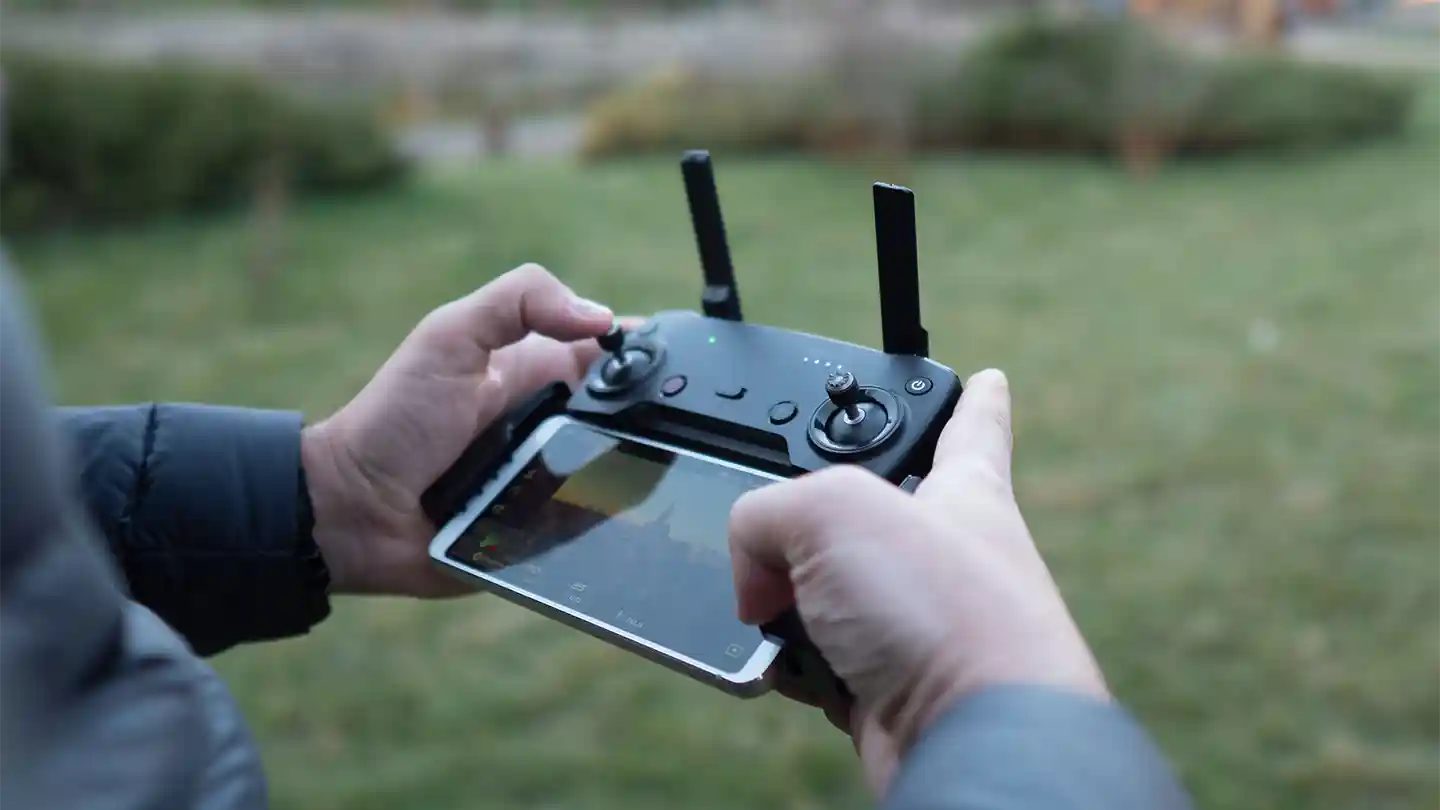
Drone photography has transformed the way we capture the world. What once required helicopters and expensive equipment can now be achieved with a compact drone and a little creativity. Whether you’re photographing landscapes, city skylines, beaches, or family adventures, drone photography opens up a whole new perspective.
If you’re just getting started, this guide from NexByte will walk you through the basics—from choosing your first drone to capturing breathtaking aerial images with confidence. The drone models mentioned below are fictional examples that represent the features commonly found in today’s consumer drones.
Why Try Drone Photography?
Drone photography allows you to create images that simply aren’t possible from the ground. Aerial perspectives add depth, scale, and drama to your shots, making them ideal for travel, real estate, outdoor adventures, and creative storytelling.
Benefits include:
- Capture unique bird’s-eye views
- Create cinematic travel content
- Photograph landscapes with greater depth
- Record memorable family events from above
- Explore creative photography angles
- Produce professional-looking content for social media
With beginner-friendly drones becoming more affordable, there’s never been a better time to start.
Choosing Your First Drone
As a beginner, you don’t need the most expensive drone. Focus on features that make flying easy and safe while still delivering high-quality photos.
1. Camera Quality
Look for drones with:
- At least a 12MP camera
- 4K video recording
- 3-axis mechanical gimbal
- HDR photo support
- RAW image capture
A stabilized camera helps produce sharp, blur-free images even when the drone is moving.
2. Flight Time
Battery life determines how much time you have to capture photos before landing.
Recommended:
- 25–40 minutes per battery
- Fast battery charging
- Optional spare batteries
Longer flight times reduce interruptions during your photography sessions.
3. GPS and Stability
GPS-enabled drones are much easier to fly because they can:
- Hover steadily
- Return home automatically
- Maintain position in windy conditions
- Follow pre-programmed flight paths
These features greatly reduce the learning curve for beginners.
4. Obstacle Avoidance
Modern drones often include sensors that detect nearby objects.
These systems help avoid collisions with:
- Trees
- Buildings
- Power poles
- Walls
While obstacle avoidance isn’t foolproof, it adds an extra layer of confidence for new pilots.
Fictional Beginner Drone Recommendations
SkyVista Air Mini
Best for Travel
Features:
- 4K stabilized camera
- 30-minute flight time
- Foldable design
- GPS return-to-home
- Beginner flight modes
Ideal for travelers looking for a lightweight drone.
AeroNova Vision Pro
Best for Photography
Features:
- 48MP camera
- RAW photo support
- Three-axis gimbal
- AI subject tracking
- Intelligent panorama mode
Perfect for users focused on image quality.
HorizonFly Explorer
Best Budget Drone
Features:
- Easy controls
- 2.7K camera
- Automatic takeoff
- One-button landing
- Lightweight frame
A great entry-level option for first-time drone pilots.
Essential Drone Photography Tips
Shoot During Golden Hour
The best lighting usually occurs:
- Shortly after sunrise
- Just before sunset
Golden hour provides soft, warm light that enhances landscapes and reduces harsh shadows.
Learn Basic Composition
Good composition is just as important as camera quality.
Try using:
- Rule of thirds
- Leading lines
- Symmetry
- Natural framing
- Negative space
Changing your altitude and camera angle can dramatically improve your images.
Experiment with Different Heights
Don’t always fly at maximum altitude.
Lower flights often reveal:
- Interesting textures
- Strong foreground elements
- Better depth
- More dynamic compositions
Sometimes the best shot is only a few meters above the ground.
Keep the Horizon Straight
A tilted horizon can make an otherwise beautiful image feel unbalanced.
Use your drone’s grid lines and gimbal calibration to keep horizons level for a polished result.
Use RAW Format
Whenever possible, capture photos in RAW instead of JPEG.
RAW files provide:
- Better color flexibility
- Improved shadow recovery
- Greater editing control
- Higher image quality
This is especially useful when editing skies and landscapes.
Safety Tips for New Drone Pilots
Flying responsibly protects both your equipment and those around you.
Before every flight:
- Check the weather conditions
- Avoid strong winds
- Fly in open areas
- Maintain visual line of sight
- Respect local drone regulations
- Keep a safe distance from people and property
- Monitor your battery level throughout the flight
Practicing in wide, open spaces helps you build confidence before attempting more complex environments.
Useful Accessories for Drone Photography
Your drone is only part of the setup. A few accessories can make flying easier and improve your results.
Consider adding:
- Extra batteries
- Multi-battery charging hub
- High-speed memory cards
- ND filters for bright conditions
- Carrying case
- Spare propellers
- Landing pad
- Lens cleaning kit
These accessories help you stay prepared during longer photography sessions.
Common Beginner Mistakes to Avoid
Many new drone pilots make the same mistakes. Being aware of them can save time and prevent accidents.
Avoid:
- Flying in high winds
- Ignoring battery warnings
- Forgetting to update firmware
- Flying without checking surroundings
- Shooting only from high altitudes
- Over-editing photos
- Rushing without practicing basic controls
Patience and regular practice are key to improving your skills.
Editing Your Drone Photos
Even great photos can benefit from thoughtful editing.
Basic adjustments include:
- Exposure
- Contrast
- White balance
- Highlights and shadows
- Sharpness
- Saturation
- Cropping
Editing should enhance your images while keeping them natural and realistic.
Why Buy Your Drone from NexByte?
At NexByte, we believe technology should be accessible, reliable, and enjoyable. Whether you’re purchasing your first drone or upgrading your photography gear, we offer a carefully selected range of tech products and accessories to support every level of experience.
When you shop with NexByte, you can expect:
- Competitive pricing
- Genuine products
- Fast and secure shipping
- Helpful customer support
- Regular promotions and exclusive deals
- A growing collection of drones, cameras, and tech accessories
Our goal is to help you find the right tools so you can focus on creating unforgettable moments from above.
Final Thoughts
Drone photography combines creativity, technology, and adventure in a way few other hobbies can. With a beginner-friendly drone, a solid understanding of basic flight techniques, and a willingness to practice, you’ll soon be capturing stunning aerial images that stand out.
Remember, great drone photography isn’t just about flying higher—it’s’s about seeing the world from a fresh perspective. Start with the fundamentals, fly responsibly, and let your creativity take flight.
Stay connected with NexByte for more expert buying guides, photography tips, and the latest gadgets designed to help you explore the world through innovation.

Leave a Reply