Golden Layers & Artisan Pastries celebrates the craftsmanship behind laminated doughs and refined baking techniques. From delicate croissants to crisp puff pastries, layered creations represent precision, patience, and skill. Their flaky texture and rich flavor are achieved through careful dough preparation and controlled baking methods.
Artisan pastries combine traditional European baking principles with modern creativity. Each fold, roll, and rest period contributes to the formation of distinct layers that expand beautifully in the oven. The result is a golden, crisp exterior with a tender and airy interior that defines high-quality pastry work.
Enjoy flaky croissants and artisan pastries baked to golden perfection, crafted in small batches for rich flavor and delicate texture.
The Art of Laminated Dough
Laminated dough is created by encasing butter within dough and repeatedly folding and rolling it to form alternating layers. During baking, the butter releases steam, causing the layers to separate and rise. This process demands precision in temperature control, dough handling, and timing to achieve consistent results.
Artisan bakers prioritize butter quality, dough elasticity, and resting intervals to ensure defined layering. Even minor deviations in technique can affect flakiness, volume, and texture, making mastery essential for professional-level pastry production.
Key Characteristics
- Distinct flaky, multi-layered structure
- Crisp golden crust
- Light and airy internal crumb
- Rich buttery flavor
- Balanced sweetness or savory depth
- Visually appealing layered pattern
Popular Artisan Pastries
Classic Laminated Favorites
- Croissants (plain or filled)
- Pain au chocolat
- Danish pastries
- Puff pastry turnovers
Savory Layered Options
- Cheese-filled puff squares
- Spinach and feta pastries
- Herb butter pinwheels
- Savory braided pastry loaves
Decorative Finishes
- Light sugar glaze
- Almond cream topping
- Powdered sugar dusting
- Egg wash shine for golden finish
Baking Process
The process begins with preparing a well-developed dough that balances elasticity and softness. After initial mixing and resting, high-quality butter is shaped and enclosed within the dough. Through a series of rolling and folding techniques known as “turns,” multiple layers are formed. Between each fold, the dough is chilled to maintain butter consistency and prevent melting.
Once the desired number of layers is achieved, the dough is rolled to final thickness and shaped into croissants, braids, or filled pastries. The shaped pastries undergo proofing to allow yeast activity to create lift and lightness.
Before baking, an egg wash is applied for shine and color. The pastries are then baked at a controlled temperature until they achieve a deep golden color and crisp exterior. Cooling allows the layers to set properly before glazing or adding final decorative touches.
Baking Tips
- Maintain cool working conditions to prevent butter leakage
- Avoid over-handling the dough
- Ensure even rolling thickness for uniform layers
- Chill adequately between folds
- Bake in a properly preheated oven for optimal rise
Innovation plays a key role in keeping baked offerings fresh and exciting. Bakers can experiment with seasonal ingredients, alternative flours, unique fillings, and modern decoration styles while preserving classic foundations. Combining tradition with creativity allows products to stand out in competitive markets.
Serving Suggestions
- Toast and spread with butter or natural jam
- Use for hearty breakfast sandwiches
- Pair with soups and stews
- Serve with avocado, eggs, or nut butter
- Slice thinly for healthy snack platters
Continuous improvement in technique, ingredient sourcing, and presentation standards ensures consistent quality. By refining recipes and adapting to trends, bakers can maintain relevance while staying true to the core idea of creating beautifully baked sweet moments.
Serving & Presentation Ideas
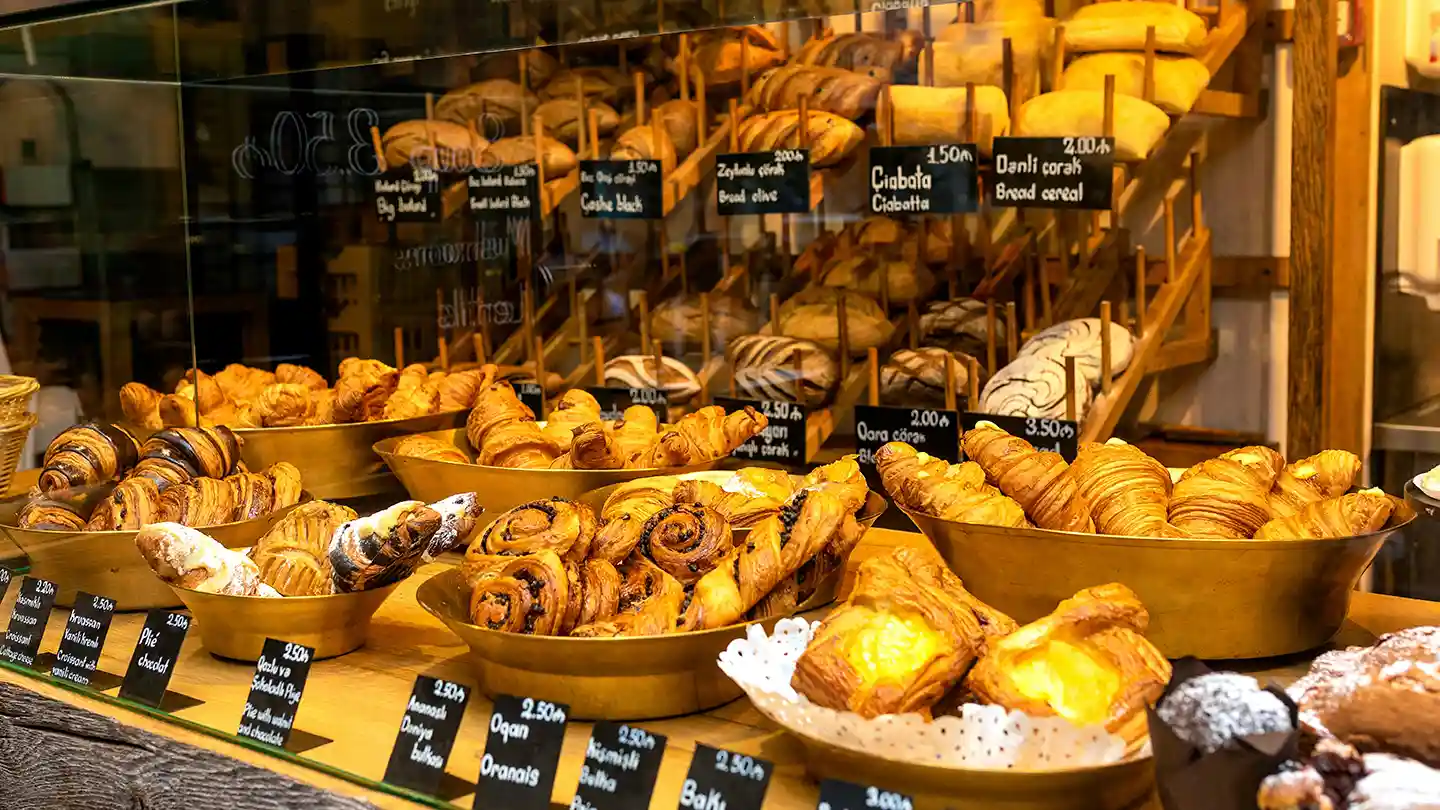
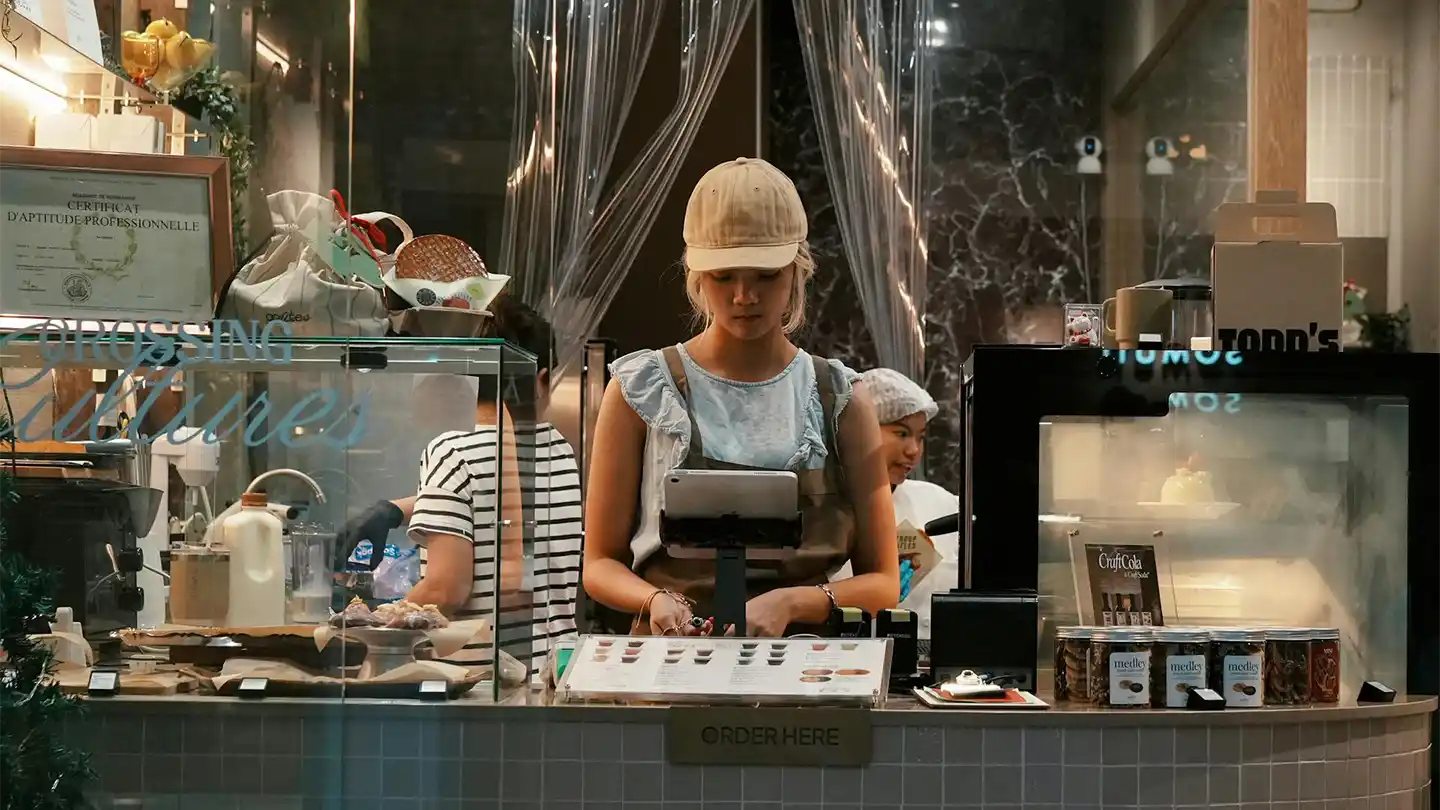
- Display in glass bakery cases to highlight layering
- Serve warm for enhanced aroma and texture
- Pair with specialty coffee or tea
- Arrange in tiered trays for elegant presentation
- Package in parchment-style wrapping for artisan branding
It focuses on creating emotional connections. The aroma of fresh pastries, the visual appeal of carefully decorated desserts, and the first bite of a perfectly balanced treat all contribute to memorable experiences. These sensory elements make baked goods feel personal and meaningful.
Sharing baked creations during celebrations, gatherings, or everyday moments strengthens bonds between people. Thoughtful packaging and presentation further enhance this connection by turning simple baked items into meaningful gifts or centerpiece highlights.
“Artisan pastries prove that technique transforms simple ingredients into masterpieces.”
– Isabella Martinez
Craftsmanship & Quality Focus
Consistency in laminated pastry production requires discipline and attention to environmental factors such as temperature and humidity. Professional bakers often schedule production during cooler hours to maintain butter stability and achieve optimal lamination results.
Quality control includes evaluating layer definition, volume, crust coloration, and internal structure. When executed correctly, artisan pastries showcase distinct honeycomb interiors and evenly baked golden exteriors that reflect true craftsmanship.
Conclusion
Golden Layers & Artisan Pastries embody the artistry and technical precision of advanced baking. Through controlled lamination, careful proofing, and attentive baking, these pastries achieve their signature flakiness and golden finish. Whether crafted for boutique bakeries or refined home kitchens, layered pastries remain a benchmark of skill and dedication in the world of baking.

Leave a Reply